
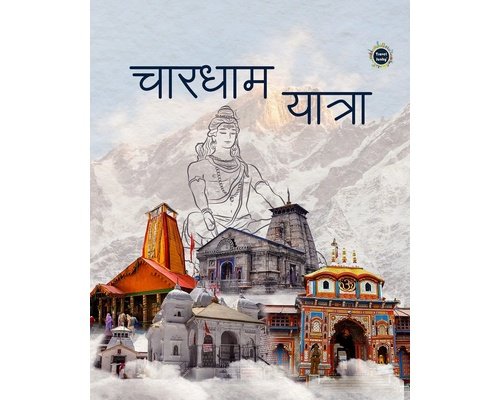
# Badrinath Yatra 2026: Complete Spiritual and Practical Travel Guide to the Gates of Heaven
Among the snow-covered peaks of the Himalayas, where the soothing sound of the Alaknanda River feels like a direct call from God, lies Badrinath Dham. It is not just a religious place, but an energy center where the faith of millions of devotees meets the divinity of the Himalayas. Badrinath, which is considered one of the most important among the Char Dhams and the “abode of Vishnu,” calls every person who seeks the peace of moksha away from the rush of life.
Going on a Badrinath Yatra in 2026 is a planned process. This article will provide detailed information to transform you from an ordinary traveller into an experienced Himalayan pilgrim.
1. Spiritual and Mythological Importance of Badrinath Dham
Badrinath Dham is also called “Badrivishal.” According to the Puranas, Lord Vishnu performed penance here on the request of Sage Narad. The name of this place came from the “Badri” berry trees.
Major Mythological Stories
**Place of Penance:** It is said that when the Ganga River descended on Earth, it divided into 12 streams. Alaknanda is one of them, which washes the feet of Badrinath.
**Nar and Narayan:** The area of Badrinath Temple is located between the “Nar” and “Narayan” mountains, which symbolize the penance of sages Nar and Narayan.
**Connection with the Last Village:** Stories related to Mana Village say that the Pandavas chose this route to go to heaven.
2. Badrinath Yatra 2026: Choosing the Best Time to Visit
The doors of Badrinath Dham usually open at the end of April or in the beginning of May and close in November on the occasion of Bhai Dooj.
Seasonal Analysis
**May to June: Peak Season**
During this time, the weather is very pleasant. Snow sheets around the region start melting and greenery begins to return. However, remember that this is also the most crowded time.
**July to August: Monsoon Season**
During the monsoon in Uttarakhand, travelling to Badrinath can be challenging. There is a risk of landslides and road closures. If you are not experienced, avoid travelling during this time.
**September to October: Peaceful Season**
The time after the monsoon is the most wonderful. The sky is blue, the mountains are clear and the crowd is less. If you want photography or peaceful darshan, this is the best time.
3. Haridwar to Badrinath: Detailed Route Plan
For a successful Badrinath Yatra, we are providing you a systematic roadmap.
Step 1: Arrival at Rishikesh / Haridwar
Start your journey from here. Watch the Ganga Aarti and collect the spiritual energy for the journey.
Step 2: Haridwar / Rishikesh to Devprayag - Rudraprayag
On the way, witness the sacred river confluences. Devprayag is the place where Alaknanda and Bhagirathi meet.
Step 3: Rudraprayag to Joshimath
Joshimath is the last major halt before Badrinath. You must visit the Narsingh Temple and the Math of Adi Shankaracharya here.
Step 4: Joshimath to Badrinath
Visit the temple for darshan and take a bath in Tapt Kund.
Step 5: Mana Village and Vasudhara
During the return, stop here and see the last cultural edge of India.
4. What to See in Badrinath: Must-Visit Places
A. Tapt Kund
This is a natural hot water spring. It is believed that bathing here before Badrinath darshan purifies the mind and body.
B. Mana Village
This is the last village of India. Here you will see “Vyas Gufa,” where Ved Vyas wrote the Mahabharata, and “Bheem Pul,” where the Saraswati River flows.
C. Vasudhara Falls
After a 5 km trek from Mana Village, you can reach this amazing waterfall. Its height and peaceful surroundings captivate the mind.
D. Mata Murti Temple
Situated on the banks of the Alaknanda River, this temple is dedicated to the mother of Badrinath.
5. Travel Preparation: Registration and Documents
In 2026, the administration has implemented strict rules to make the journey safe.
Website
Visit registrationandtouristcare.uk.gov.in.
Documents
Carry your Aadhaar card with you. Without a digital pass, you may be stopped at the checkpoint.
Health Certificate
For elderly travellers, it is wise to carry a medical checkup report and fitness certificate.
6. Budget and Expenses: Guide for 2026
Your budget for Badrinath Yatra can be planned at three levels.
Budget Traveller: ₹8,000 - ₹12,000
Government buses, GMVN guest house or hostel and simple food.
Mid-Range Traveller: ₹20,000 - ₹35,000
Private taxi, good hotels and balanced meals.
Luxury Traveller: ₹50,000+
Innova / Safari, premium resorts and VIP darshan.
**Note:** In the mountains, cash is king. Do not depend only on digital payment. Always keep more than ₹10,000 cash with you.
7. Health and Safety: The Himalayan Adaptation
Badrinath is located at an altitude of 3,100 meters. AMS, or Acute Mountain Sickness, can be a problem here.
Slow Pace
Do not climb too much altitude in one day. Stay at Joshimath and allow your body to adjust.
Water Intake
Drink plenty of water. Dehydration increases the problem of oxygen deficiency.
Medicines
Keep painkillers, band-aids, ORS and fever medicine in your emergency kit.
8. Packing List: What to Carry?
Follow the principle of layering while packing for the mountains.
Clothes
Thermal wear as the base layer, fleece jacket as the mid layer and a good waterproof windcheater as the outer layer.
Shoes
Sports shoes with good grip. Do not wear new shoes in the mountains.
Torch
Carry a small torch or headlamp for power cuts.
Puja Items
Keep a small pouch to carry Tulsi mala or prasad.
9. Frequently Asked Questions
Q1: What are the timings of Badrinath Temple?
A: Usually from 4:30 AM to 9:00 PM. The temple doors remain closed in the afternoon between 1:00 PM and 4:00 PM.
Q2: Is there a road to Mana Village?
A: Yes, there is a proper road to Mana Village, where you can go by taxi.
Q3: Is solo Badrinath Yatra safe?
A: Yes, the Uttarakhand government and administration have made excellent security arrangements for pilgrims.
10. Special Advice from TravelofHimalayas
Going to Badrinath is not just a pilgrimage; it is a path to discover yourself. The same peace that we search for within ourselves is found in the “Narayan” of this place.
Final Message
Keep the Himalayas clean. Follow the “Leave No Trace” policy. Do not use plastic and do not leave garbage behind. Protecting the purity of Badrinath is also our duty.
Are you ready for this sacred Badrinath Yatra in 2026? If you need any special route map, hotel booking or customized budget, contact us through our website TravelofHimalayas. We are ready to make your journey simple and joyful!