Char Dham Yatra and Do Dham Yatra Packages from Uttarakhand
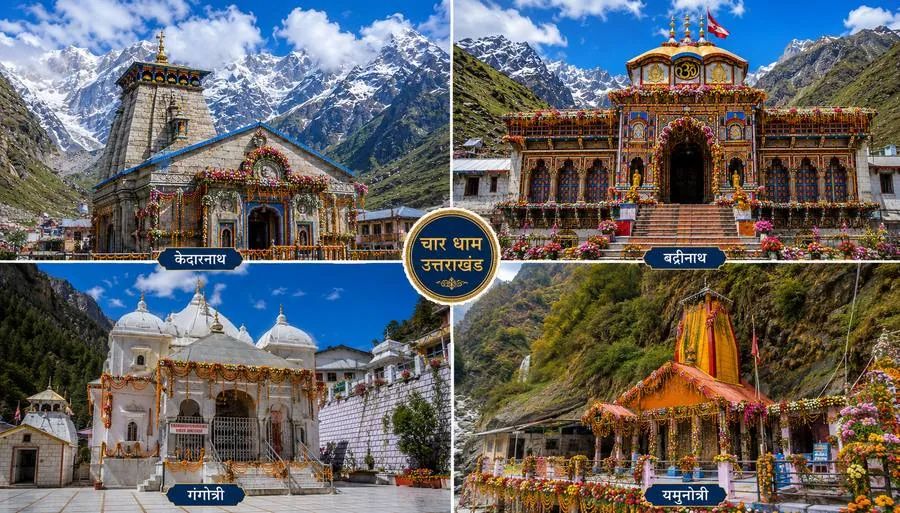
Plan a comfortable Char Dham Yatra package covering Yamunotri, Gangotri, Kedarnath and Badrinath, or choose a shorter Do Dham Yatra package for Kedarnath and Badrinath. TraveloHimalayas provides private vehicles, selected stays, route planning and local assistance from Haridwar, Rishikesh, Dehradun and Delhi.
Best Travel Agency in Dehradun for Uttarakhand Tour Packages
TraveloHimalayas is a local Uttarakhand travel agency in Dehradun helping families, pilgrims, couples and groups plan Char Dham, Do Dham, Kedarnath, Badrinath, Auli, Chopta and customized Himalayan tours. Our Dehradun travel experts arrange practical itineraries, comfortable hotels, private cabs and local journey assistance according to your dates, pickup city and budget.
Tailored ItinerariesSelected Mountain StaysRoute-Aware DriversHeli GuidanceFamily & Group ComfortDehradun Local Team
Uttarakhand Travel Agency
Uttarakhand tours planned by people who know the roads, seasons and halts.
TraveloHimalayas is a Dehradun-based travel team for pilgrims, families, groups, couples and senior citizens who want a Himalayan journey that feels organized from the first call. We plan around real route conditions: early departures, sensible night halts, hotel location, vehicle size, temple timing, yatra registration and weather buffers.
Our team builds Char Dham, Kedarnath, Badrinath, Auli, Chopta, Tungnath, Mussoorie, Nainital and Valley of Flowers trips with private cab options, hotel coordination, meals where required, driver support and practical on-trip communication.
The aim is simple: clear inclusions, realistic travel days and a route that suits your group. You get a plan shaped for your pickup city, travel month, budget, hotel preference and pace.
Mountain travel works best when the route is planned honestly. We help you choose the right pickup point, vehicle, halt, hotel category and daily pace before the trip begins.
Our core routes include Char Dham Yatra, Kedarnath, Badrinath, Auli, Chopta, Tungnath, Nainital, Mussoorie and custom Uttarakhand holidays.
Every itinerary is shaped around comfort, darshan timing, road conditions and simple communication during the journey.
Stay MatchingHotel suggestions based on route, season and group comfort.Meal PlanningSimple vegetarian meal options where the package includes food.Local InsightRoute notes from a team familiar with Garhwal and Kumaon travel.Careful TravelEarly starts, sensible halts and experienced mountain drivers.Trip SupportPhone assistance for route updates and coordination.Clear QuotesHotel, vehicle, meal and exclusion details shared upfront.
Package Categories
Our Package Categories
Browse popular Uttarakhand trip styles by route, comfort and travel purpose.
Uttarakhand is not only about mountains and temples. It is also a journey through local food, village life, folk traditions, riverside rituals and peaceful Himalayan hospitality.
TraveloHimalayas helps you experience Char Dham, Kedarnath, Auli, Chopta and hidden mountain routes with meaningful local moments along the way.
Excellent service and every think is good and holtes and Vhicle service is top
● Traveler FeedbackSakshi Parmar
Google reviewer Verified ✓
★★★★★6 days ago
Our Kedarnath Yatra with TraveloHimalayas was truly unforgettable. Everything was perfectly organized, from transportation and hotel arrangements to complete travel assistance. The team was professional, friendly, and always available whenever we needed help.
The journey was smooth, the accommodations were clean and comfortable, and the driver was experienced on the mountain roads. Thanks to TraveloHimalayas, we could focus on enjoying the divine experience of Kedarnath without any worries.
I highly recommend TraveloHimalayas to anyone planning a Kedarnath Yatra. Their excellent service, local expertise, and genuine care for travelers deserve a full 5-star rating. We will definitely travel with them again!
● Kedarnath YatraManoj Mahar
Local Guide Verified ✓
★★★★★6 days ago
Our Char Dham Yatra with TraveloHimalayas exceeded all our expectations. From the moment we started the trip until the very end, everything was handled with great care and professionalism.
The vehicle was clean and comfortable, the driver was friendly, punctual, and highly experienced on the mountain roads. Every hotel arranged for us was neat, comfortable, and provided a pleasant stay after long travel days.
What impressed us the most was the team's quick support and attention to every detail throughout the journey. Their excellent planning allowed us to enjoy the spiritual experience without worrying about travel arrangements.
We are truly grateful to TraveloHimalayas for making our pilgrimage safe, comfortable, and memorable. I would happily recommend them to anyone planning a Char Dham Yatra in Uttarakhand.
● Char Dham YatraKunal saklani
Google reviewer Verified ✓
★★★★★a week ago
Our trip to Badrinath with TraveloHimalayas was an excellent experience from start to finish. The entire journey was well organized, and the team ensured that everything went smoothly. The transportation was comfortable, the accommodations were clean, and the itinerary was planned perfectly, allowing us to enjoy the spiritual atmosphere of Badrinath without any unnecessary stress.
The staff was polite, responsive, and always ready to help whenever we had questions or needed assistance. Their local knowledge made the trip even more enjoyable, and they guided us throughout the pilgrimage with great care.
I highly recommend TraveloHimalayas to anyone planning a Badrinath Yatra. They made our pilgrimage comfortable, memorable, and hassle-free. Thank you for such a wonderful experience!
● Badrinath YatraCChandra Rana
Google reviewer Verified ✓
★★★★★5 days ago
Rated TraveloHimalayas 5 stars on Google.
● Google RatingVVikash Kumer
Google reviewer Verified ✓
★★★★★5 days ago
Rated TraveloHimalayas 5 stars on Google.
● Google Rating
GOfficial ProfileGoogle review source
❝Traveler FeedbackShared by real guests
★5 Star RatingsShown in every screenshot
✓Genuine OnlyNo fabricated feedback
Featured Uttarakhand Places
Top destinations for Char Dham, Auli, Chopta, Nainital, Mussoorie and Himalayan holidays.
Haridwar connects to the Uttarakhand yatra route through Haridwar, Rishikesh, Dehradun or direct cab movement depending on arrival time. Best for families who want minimum plain-area transfer before Yamunotri side. Reach Haridwar one day early in peak season so the first mountain drive can start calmly.
Delhi connects to the Uttarakhand yatra route through Haridwar, Rishikesh, Dehradun or direct cab movement depending on arrival time. Best for guests who want door-to-door cab support and no separate train planning. Delhi pickup adds longer road hours, so senior citizens should prefer an extra halt.
Rishikesh connects to the Uttarakhand yatra route through Haridwar, Rishikesh, Dehradun or direct cab movement depending on arrival time. Best for travelers who want a quieter start than Haridwar with quick access to mountain routes. Morning traffic near rafting zones can affect pickup timing, so start early.
Dehradun connects to the Uttarakhand yatra route through Haridwar, Rishikesh, Dehradun or direct cab movement depending on arrival time. Best for guests arriving by flight and wanting direct private cab pickup. Flight delays should be considered before planning a long same-day hill drive.
Mumbai connects to the Uttarakhand yatra route through Haridwar, Rishikesh, Dehradun or direct cab movement depending on arrival time. Best for groups who want flight plus Uttarakhand ground package coordination. Book flights with enough buffer because yatra routes work better with early morning departures.
Ahmedabad connects to the Uttarakhand yatra route through Haridwar, Rishikesh, Dehradun or direct cab movement depending on arrival time. Best for family groups who need one coordinated plan from airport arrival to final drop. Keep luggage compact because mountain vehicles have limited boot space.
Kolkata connects to the Uttarakhand yatra route through Haridwar, Rishikesh, Dehradun or direct cab movement depending on arrival time. Best for pilgrims who want the Uttarakhand ground route planned after flight arrival. Avoid late evening hill departure after a long flight day.
Bangalore connects to the Uttarakhand yatra route through Haridwar, Rishikesh, Dehradun or direct cab movement depending on arrival time. Best for travelers who want flight timing, pickup and route stays aligned in one plan. Carry warm layers even if starting from warm weather; Kedarnath and Badrinath nights are cold.
Pune connects to the Uttarakhand yatra route through Haridwar, Rishikesh, Dehradun or direct cab movement depending on arrival time. Best for couples and families who prefer custom flight-linked pickup. Plan arrival a day before if the group includes elders or children.
Jaipur connects to the Uttarakhand yatra route through Haridwar, Rishikesh, Dehradun or direct cab movement depending on arrival time. Best for Rajasthan groups preferring full road support with private vehicle. A Haridwar or Rishikesh pre-night reduces fatigue before entering the hills.
Haridwar connects to the Uttarakhand yatra route through Haridwar, Rishikesh, Dehradun or direct cab movement depending on arrival time. Best for families who want minimum plain-area transfer before Yamunotri side. Reach Haridwar one day early in peak season so the first mountain drive can start calmly.
Delhi connects to the Uttarakhand yatra route through Haridwar, Rishikesh, Dehradun or direct cab movement depending on arrival time. Best for guests who want door-to-door cab support and no separate train planning. Delhi pickup adds longer road hours, so senior citizens should prefer an extra halt.
Rishikesh connects to the Uttarakhand yatra route through Haridwar, Rishikesh, Dehradun or direct cab movement depending on arrival time. Best for travelers who want a quieter start than Haridwar with quick access to mountain routes. Morning traffic near rafting zones can affect pickup timing, so start early.
Dehradun connects to the Uttarakhand yatra route through Haridwar, Rishikesh, Dehradun or direct cab movement depending on arrival time. Best for guests arriving by flight and wanting direct private cab pickup. Flight delays should be considered before planning a long same-day hill drive.
Mumbai connects to the Uttarakhand yatra route through Haridwar, Rishikesh, Dehradun or direct cab movement depending on arrival time. Best for groups who want flight plus Uttarakhand ground package coordination. Book flights with enough buffer because yatra routes work better with early morning departures.
Ahmedabad connects to the Uttarakhand yatra route through Haridwar, Rishikesh, Dehradun or direct cab movement depending on arrival time. Best for family groups who need one coordinated plan from airport arrival to final drop. Keep luggage compact because mountain vehicles have limited boot space.
Kolkata connects to the Uttarakhand yatra route through Haridwar, Rishikesh, Dehradun or direct cab movement depending on arrival time. Best for pilgrims who want the Uttarakhand ground route planned after flight arrival. Avoid late evening hill departure after a long flight day.
Bangalore connects to the Uttarakhand yatra route through Haridwar, Rishikesh, Dehradun or direct cab movement depending on arrival time. Best for travelers who want flight timing, pickup and route stays aligned in one plan. Carry warm layers even if starting from warm weather; Kedarnath and Badrinath nights are cold.
Pune connects to the Uttarakhand yatra route through Haridwar, Rishikesh, Dehradun or direct cab movement depending on arrival time. Best for couples and families who prefer custom flight-linked pickup. Plan arrival a day before if the group includes elders or children.
Jaipur connects to the Uttarakhand yatra route through Haridwar, Rishikesh, Dehradun or direct cab movement depending on arrival time. Best for Rajasthan groups preferring full road support with private vehicle. A Haridwar or Rishikesh pre-night reduces fatigue before entering the hills.
Haridwar connects to the Uttarakhand yatra route through Haridwar, Rishikesh, Dehradun or direct cab movement depending on arrival time. Best for families who want minimum plain-area transfer before Yamunotri side. Reach Haridwar one day early in peak season so the first mountain drive can start calmly.
Delhi connects to the Uttarakhand yatra route through Haridwar, Rishikesh, Dehradun or direct cab movement depending on arrival time. Best for guests who want door-to-door cab support and no separate train planning. Delhi pickup adds longer road hours, so senior citizens should prefer an extra halt.
Rishikesh connects to the Uttarakhand yatra route through Haridwar, Rishikesh, Dehradun or direct cab movement depending on arrival time. Best for travelers who want a quieter start than Haridwar with quick access to mountain routes. Morning traffic near rafting zones can affect pickup timing, so start early.
Dehradun connects to the Uttarakhand yatra route through Haridwar, Rishikesh, Dehradun or direct cab movement depending on arrival time. Best for guests arriving by flight and wanting direct private cab pickup. Flight delays should be considered before planning a long same-day hill drive.
Haridwar connects to the Uttarakhand yatra route through Haridwar, Rishikesh, Dehradun or direct cab movement depending on arrival time. Best for families who want minimum plain-area transfer before Yamunotri side. Reach Haridwar one day early in peak season so the first mountain drive can start calmly.
Cost planning starts with the preferred pickup point, number of travelers, room sharing, vehicle comfort, meal plan and whether Kedarnath trek support or route add-ons are needed.
Cost planning starts with the preferred pickup point, number of travelers, room sharing, vehicle comfort, meal plan and whether Kedarnath trek support or route add-ons are needed.
Tempo Traveller planning covers seating comfort, luggage space, driver and permit handling, mountain road suitability and realistic halts on Yamunotri, Gangotri, Kedarnath and Badrinath route.
The route can start from Haridwar, Rishikesh or Dehradun with extra rest where needed. Kedarnath can be planned with helicopter guidance, pony, palki or a base-stay approach depending on health and availability.
Plan Your Uttarakhand Tour with Local Himalayan Experts
TraveloHimalayas helps pilgrims and travelers plan Char Dham Yatra, Kedarnath Yatra, Do Dham Yatra, Auli holidays, Chopta Tungnath tours and Valley of Flowers treks with reliable hotels, safe vehicles and local route guidance.
Our team understands Uttarakhand road conditions, temple opening dates, weather changes, hotel availability and comfortable day-wise planning. Whether you are travelling with family, senior citizens, children or a group, we create a practical tour plan according to your budget and comfort.
Family Route PlanningFamily and group tours planned with careTravel AssistanceSupport before and during the journeyLocal Dehradun TeamReal knowledge of Uttarakhand routesHotel + Cab PackagesClear inclusions with no confusion
Complete Uttarakhand Travel Services
One local team for packages, hotels, taxi, yatra support and route planning.
Day-wise planning for Yamunotri, Gangotri, Kedarnath and Badrinath with Haridwar, Rishikesh or Dehradun pickup, hotel stops and practical travel hours.
May to June and September to October are preferred for comfortable weather, clearer routes and safer mountain travel.
Helicopter tickets depend on official availability, weather and route status. TraveloHimalayas guides guests on timing, reporting points and backup travel planning.
Yes, Char Dham Yatra registration is required as per Uttarakhand yatra rules. Carry Aadhaar, registration QR code and hotel or package confirmation.
Most packages include breakfast and dinner. The final quote clearly mentions meals, hotel category, cab type and route inclusions.
Yes, packages can be customized by pickup city, travel month, hotel category, group size, age group, budget and preferred travel pace.
Haridwar, Rishikesh and Dehradun are the most popular starting points because they offer better road connectivity, hotels and vehicle support.
Yes, private taxi, Innova, Ertiga, Dzire, tempo traveller and group vehicles can be arranged for Char Dham, Kedarnath, Auli, Chopta and local routes.
Yes, budget, standard, deluxe and premium hotels are arranged according to route availability, group size and final package category.
Yes, TraveloHimalayas is a Dehradun-based local tour planner for Uttarakhand yatra, holiday, trekking and family travel packages.
Yes, senior citizen plans can include slower day plans, comfortable hotels, private vehicles, route support and practical health guidance.
Yes, family tours can be planned with shorter travel hours, safe hotels, reliable vehicles and comfortable sightseeing stops.
Yes, Auli, Chopta, Mussoorie, Nainital, Rishikesh and custom Uttarakhand honeymoon plans can be designed with private cab and selected hotels.
Yes, group tours, college trips, corporate retreats and fixed-departure style packages can be arranged with transport, stay and meal coordination.
Typical inclusions are hotel stay, private cab, driver allowance, route planning, parking and toll handling, meals as per package and travel support.
Yes, cab-only, hotel-only and complete package options are available depending on destination, date and availability.
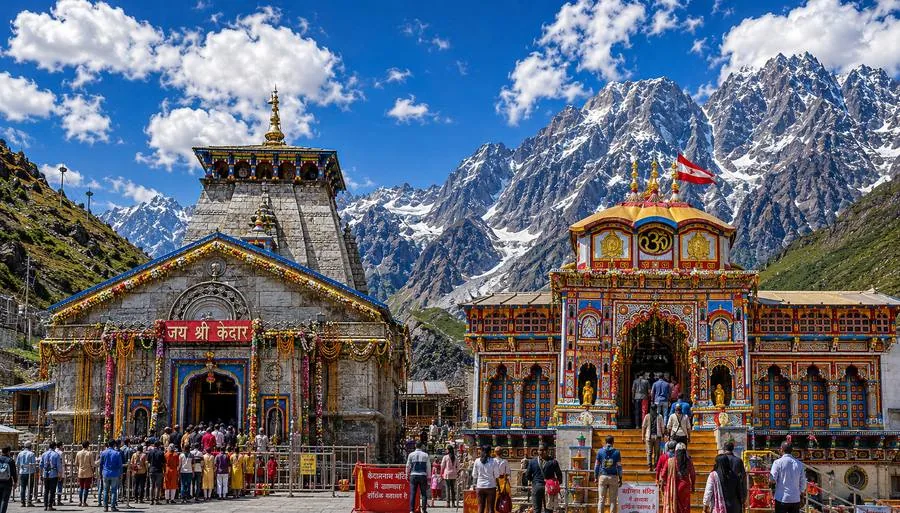
Yes, we guide guests on Sonprayag, Gaurikund, trek timing, pony or palki options, stay planning and return route comfort.
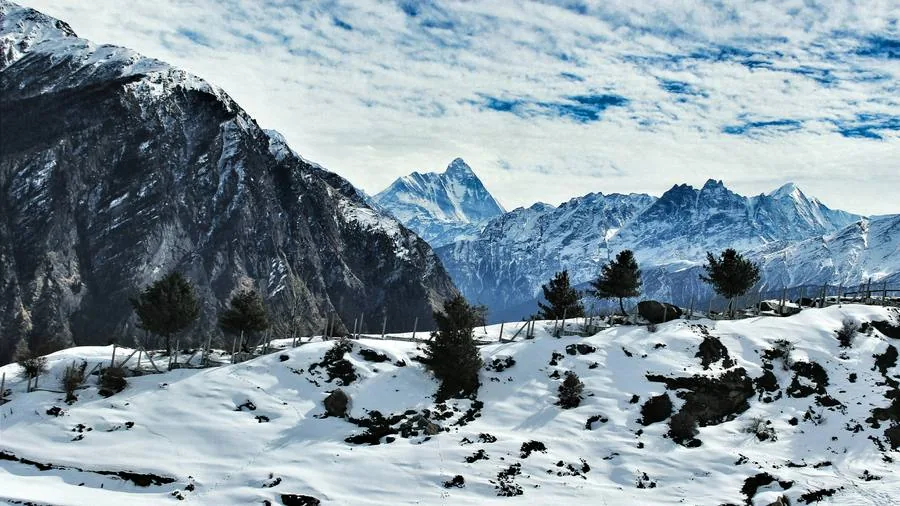
Yes, Auli plans include road condition guidance, Joshimath stay options, ropeway information and snow-season travel planning.
The final quote is shared with clear inclusions and exclusions so guests can understand hotel, vehicle, meal and route costs before booking.
For peak season, early booking is recommended because hotel availability, vehicle demand and yatra crowd levels change quickly.
You can call or WhatsApp +91 9350210150, or send an enquiry through the contact form.
Planning Support
Confused about route, hotels or cab?
Share your travel month and group size. Our Uttarakhand team will suggest a practical plan with route timing, stay options and vehicle guidance.


 YAMUNOTRIमाँ यमुना
 GANGOTRIमाँ गंगा
 KEDARNATHभगवान शिव
 BADRINATHभगवान विष्णु